
Sustainability: Industry's Next Steps
Even before sustainability climbed up the global agenda, aviation had every incentive to cut its fuel consumption and therefore emissions. Although there has been real progress, there is also much work still to be done, and major challenges lie ahead for aviation.
These challenges will encompass not only new technology, including airframe and propulsion types that will make aviation cleaner and more efficient, but also a host of regulatory hoops through which the aviation community must pass.
Aviation Week Network continues to explore the ongoing initiatives underway.
Top story
Latest News & Analysis

Jan 06, 2020
Airlines have seen fast growth since 2010, victims of their own success as fight against climate change moves to forefront.

Dec 20, 2019
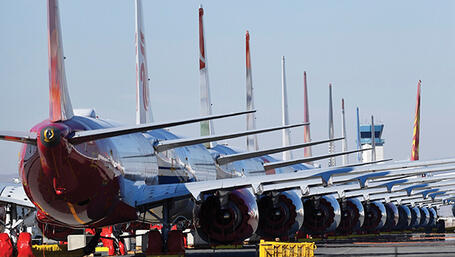
The world met in Madrid in December at the United Nations COP25 summit to discuss climate change and emissions reduction. Given the sharply increased…
Dec 20, 2019
Electric and hybrid power makes inroads as engine-makers face continuing challenges in commercial and military sectors.

Dec 03, 2019
Why the time is now for commercial aviation to take steps to reduce its carbon footprint.

Nov 27, 2019
The R&D programs underway to transition the aviation industry to a net-zero carbon producer.
Nov 13, 2019
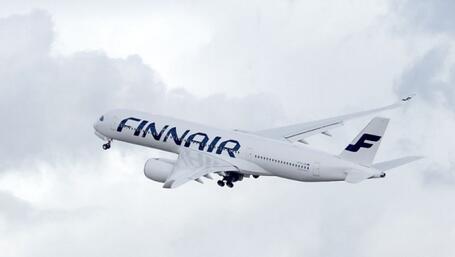
Finnair is asserting that sustainability will be a key driver for its 2020-2025 strategy period, with its long-awaited decision for a new narrowbody fleet as the most significant contributor to the airline’s agenda.
Oct 14, 2019
Startups are jostling with household names to take a slice of the emerging electrified aircraft propulsion market.
Oct 04, 2019
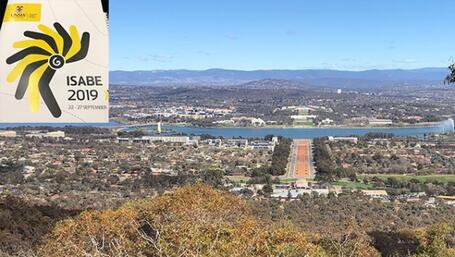
Are these seemingly mutually exclusive goals attainable in an increasingly environmentally concerned world? It was on the agenda at the International Society for Air Breathing Engines (ISABE) conference in Canberra, Australia, from where senior editor Guy Norris discusses everything from biofuels and more electric aviation to hypersonics and long range commercial operations with the Society’s Prof. Ric Parker and Prof. Andrew Neely.