
Sustainability: Industry's Next Steps
Even before sustainability climbed up the global agenda, aviation had every incentive to cut its fuel consumption and therefore emissions. Although there has been real progress, there is also much work still to be done, and major challenges lie ahead for aviation.
These challenges will encompass not only new technology, including airframe and propulsion types that will make aviation cleaner and more efficient, but also a host of regulatory hoops through which the aviation community must pass.
Aviation Week Network continues to explore the ongoing initiatives underway.
Top story

Latest News & Analysis

Dec 20, 2021
The energy requirements of future aircraft must be reduced by at least half by 2050 if aviation is to achieve the goal of net-zero carbon emissions by mid-century, according to a new aviation strategy adopted by German national aviation research agency DLR.
Dec 20, 2021
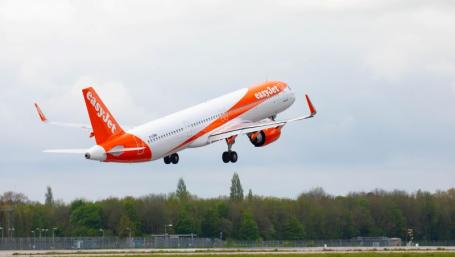
UK LCC easyJet and aeroengine manufacturer Rolls-Royce are embarking on a two-year joint research project into sustainable commercial aircraft.
Dec 17, 2021
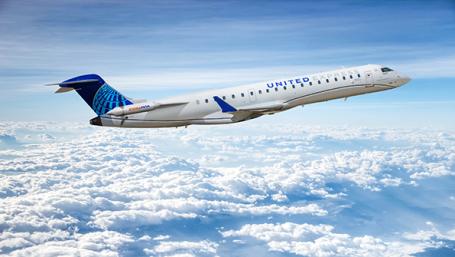
With backing from United Airlines, ZeroAvia expands its hydrogen-electric propulsion technology to regional jets.
Dec 15, 2021
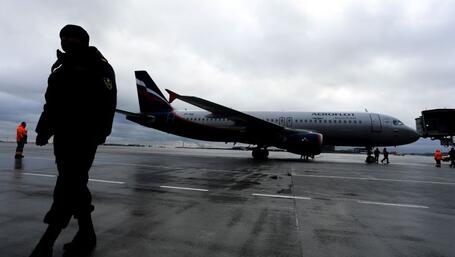
Several leading Russian aviation companies, including Aeroflot, S7 Group and Volga-Dnepr, have formed a sustainable aviation fuel (SAF) alliance with the aim of developing a SAF that will power a flight by no later than 2024.
Dec 14, 2021
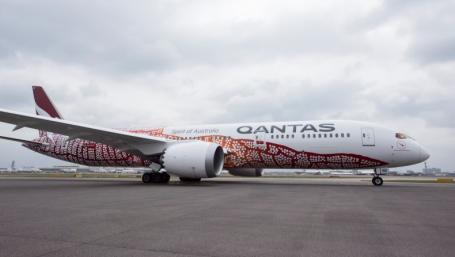
Qantas has reached a deal to purchase blended sustainable aviation fuel (SAF) to use in its flights from London Heathrow Airport through at least the end of 2022.

Dec 14, 2021
Aftermarket services that improve airline sustainability.
Dec 13, 2021
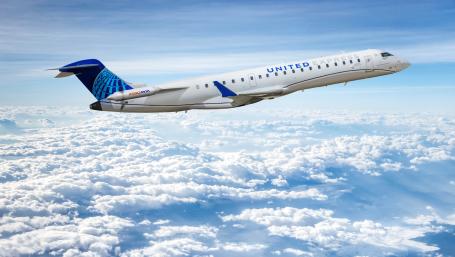
The decarbonization of regional aviation continues to gather pace, with United Airlines investing in hydrogen-electric propulsion developer ZeroAvia.

Dec 09, 2021
Leeds Bradford Airport CEO Vincent Hodder outlines his views on airline relations and incentives, airport collaboration and sustainable route decisions.