
Space Industry Analysis

Dec 19, 2018
Earthrise image, Bible reading transcended objectives of first human flight into deep space.
Dec 18, 2018
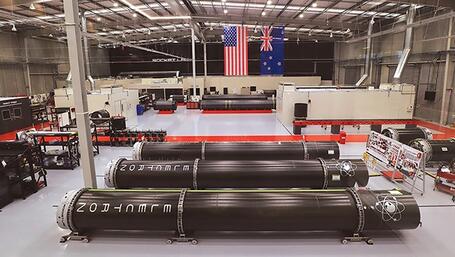
Though China surpassed the U.S. launch rate in 2018, private U.S. “new space” companies are ramping up activity.
Dec 18, 2018
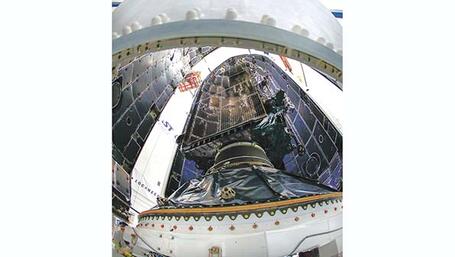
SpaceX scrubbed its first two GPS III satellite launch opportunities.
Dec 18, 2018
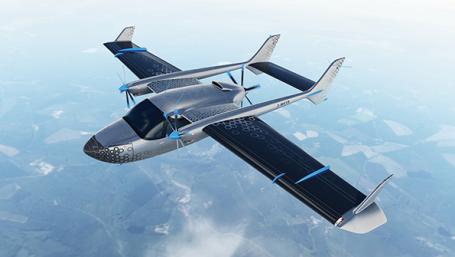
From new Cessna turboprops to commercial human-rated space transports, here are some aerospace milestones to look forward to in 2019.
Dec 17, 2018
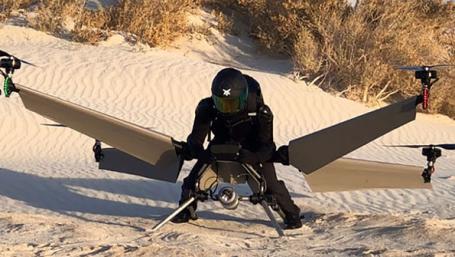
Electric regional progress; Pseudo-satellite takes shape; Drone flies through walls; Single-person multicopter; Algae makes jet fuel in Japan.
Dec 17, 2018
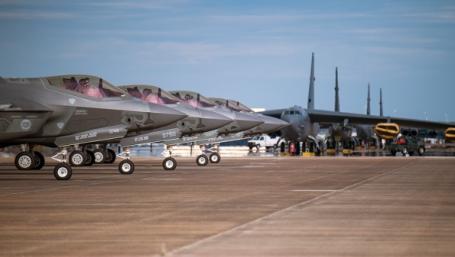
The year ahead holds milestones in human space transport, airliner first flights and new launches and more, but it also promises significant uncertainty.

Oct 03, 2022
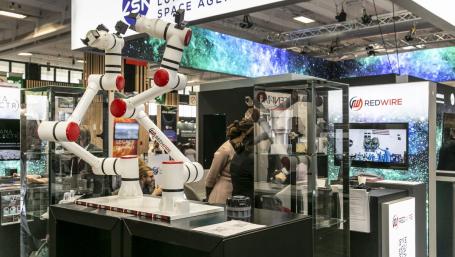
The Russian government plans to allocate additional funds to Roscosmos Space Corp. to facilitate the deployment of the new Sfera multisatellite orbital constellation of more than 300 satellites by 2030.
Oct 03, 2022
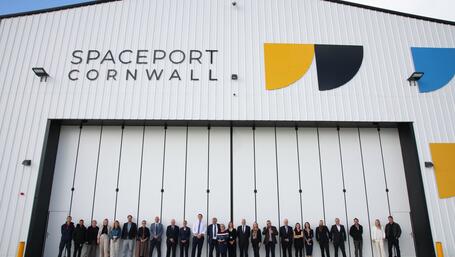
U.S. space infrastructure specialist Redwire said it will buy Qinetiq Group’s Space NV business, a provider of integration, equipment and other backbone space systems in Europe, for about €32 million ($31.4 million).
Oct 03, 2022
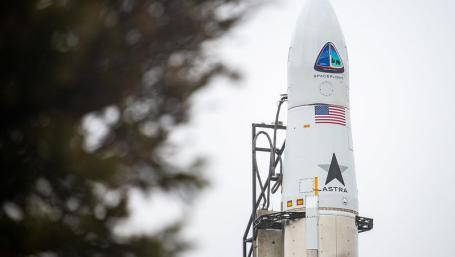
The new facility will enable the integration of eight satellites onto Virgin Orbit’s LauncherOne rocket.
Oct 03, 2022
The rocket upstart recently shelved its troubled small launch vehicle to focus on developing a larger launcher.

Oct 03, 2022
Firefly Aerospace has recovered from the unsuccessful 2021 debut launch of its Alpha small-satellite booster with a successful follow-on flight test.

Oct 03, 2022
Vulcan’s debut launch, targeted for late this year or early 2023, will send a privately owned lander, carrying payloads for NASA and other customers, to the surface of the Moon.

Sep 30, 2022
Russia and Belarus have finalized an agreement on joint development of a new Earth monitoring satellite that can enhance the nations’ mapping capabilities.

Sep 30, 2022
A joint U.S.-Australian space surveillance telescope—relocated from New Mexico to Australia to help avoid potential collisions and monitor asteroids—reached initial operational capability (IOC) on Sept. 30.