Cubesat Flock Released
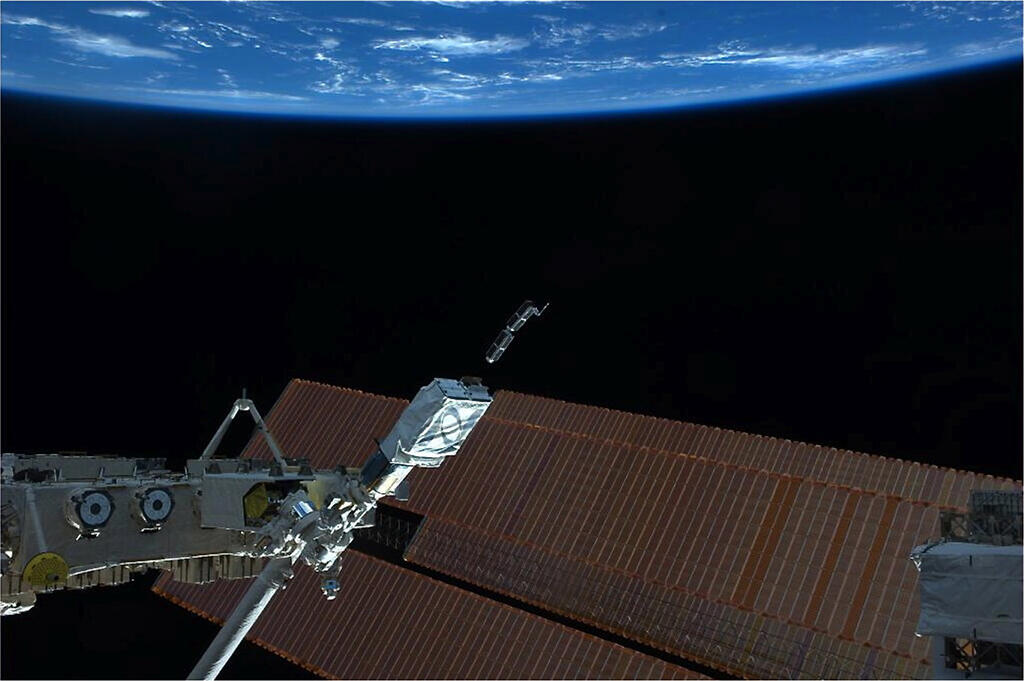
The first 28 of Planet Labs’ planned constellation of 100 small Earth-imaging satellites were released from the International Space Station in February, using Nanoracks’ CubeSat deployment system.
Credit: NASA
Credit: NASA
SpaceX Unveils Dragon V2
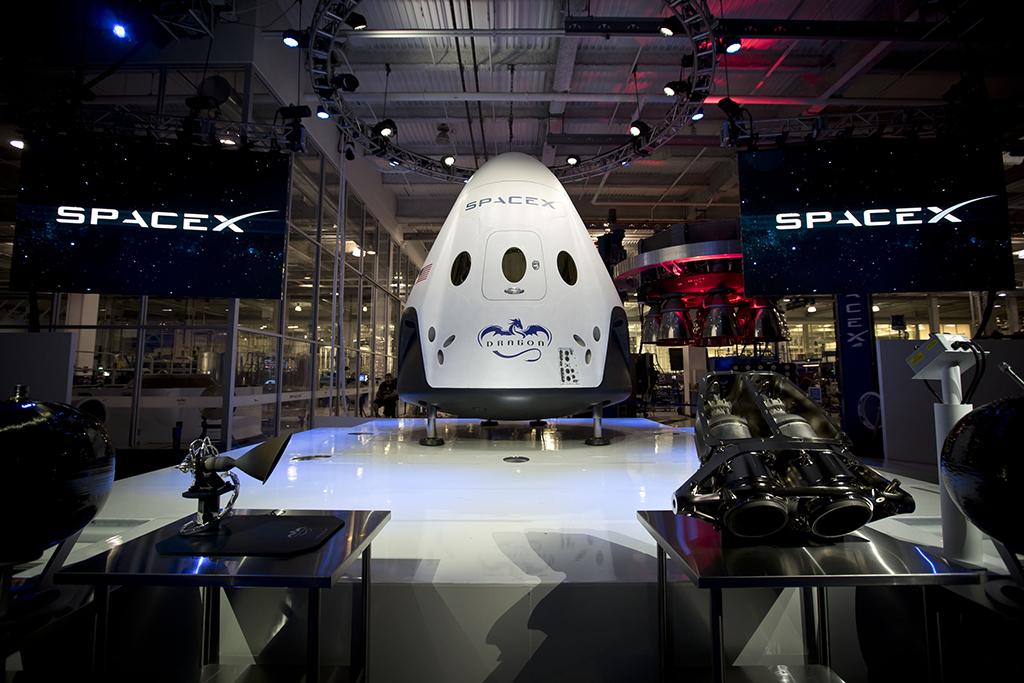
With a splash of Hollywood style, SpaceX unveiled its Dragon V2 manned spacecraft in May. In September, NASA awarded SpaceX and Boeing contracts to fly crew to the ISS beginning in 2017.
Credit: SpaceX
Credit: SpaceX
Google Buys Into Space
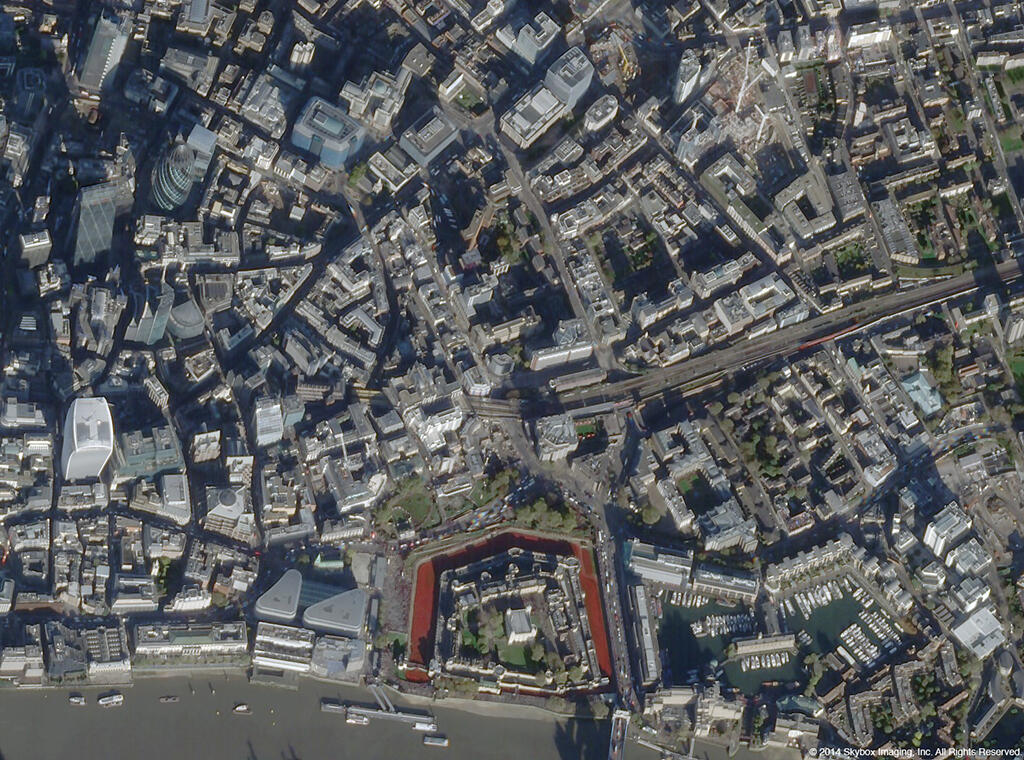
Google acquired Earth-imaging startup Skybox Imaging in June for $500 million, saying it would help keep Google Earth up-to-date but raising speculation that the Internet search giant is planning a fleet of small satellites to provide global Internet access.
Credit: Skybox Imaging
India’s Bargain Mars Probe
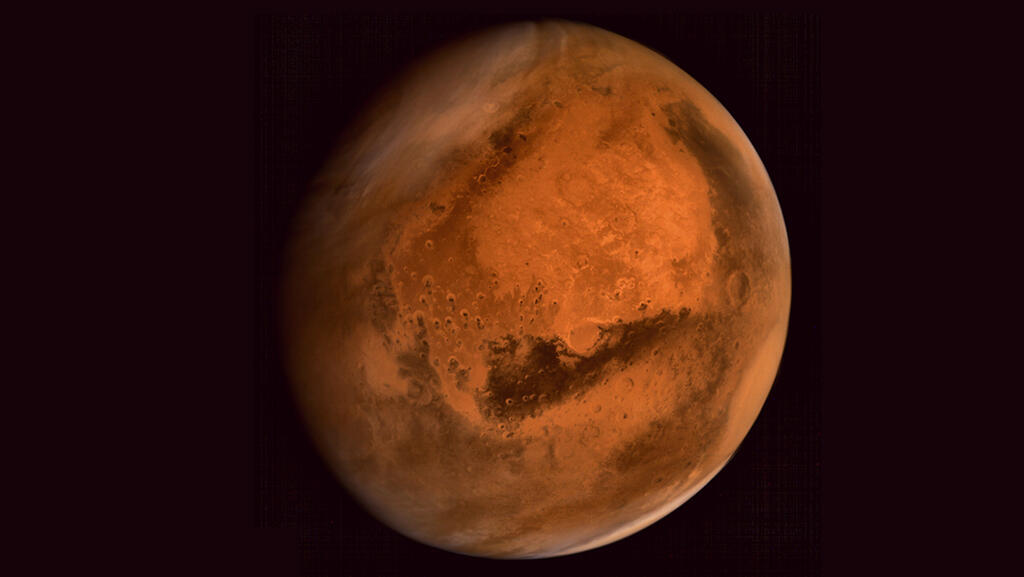
At a project cost of just $75 million, India became only the fourth nation—and the first in Asia—to reach the red planet when its Mars Orbiter Mission spacecraft entered orbit in September to study its atmosphere.
Credit: Indian Space Research Organization
Comet Close Encounter
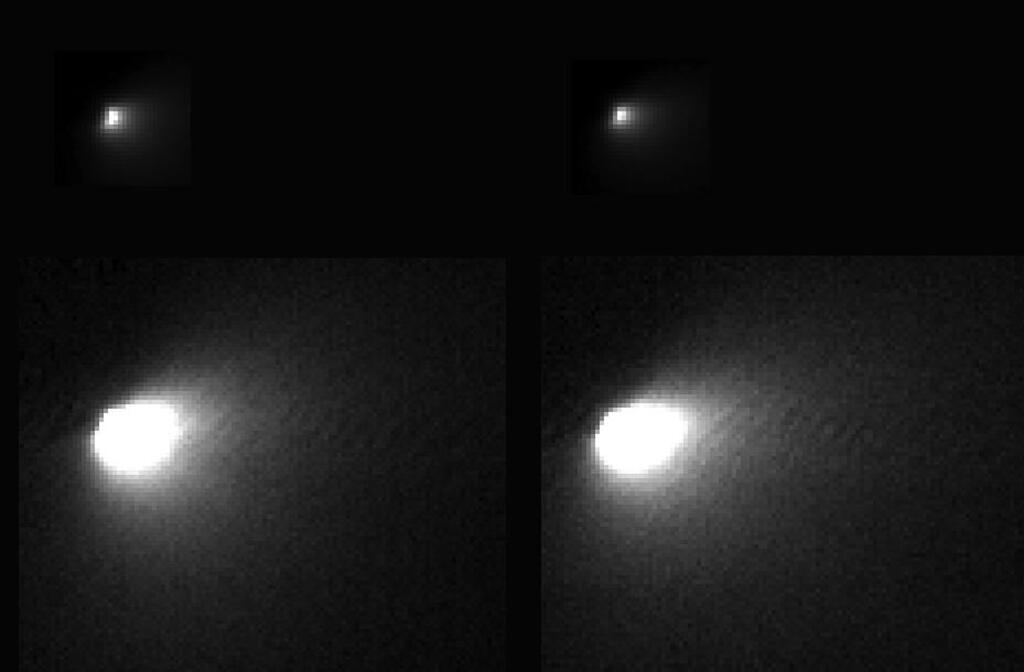
Spacecraft from three nations orbiting Mars on Oct. 19 survived undamaged when comet Siding Spring 2013 flew past the planet, coming as close as 135,000 km and showering Mars with high-velocity dust.
Credit: NASA/JPL-Caltech/University of Arizona
Spaceplane Returns
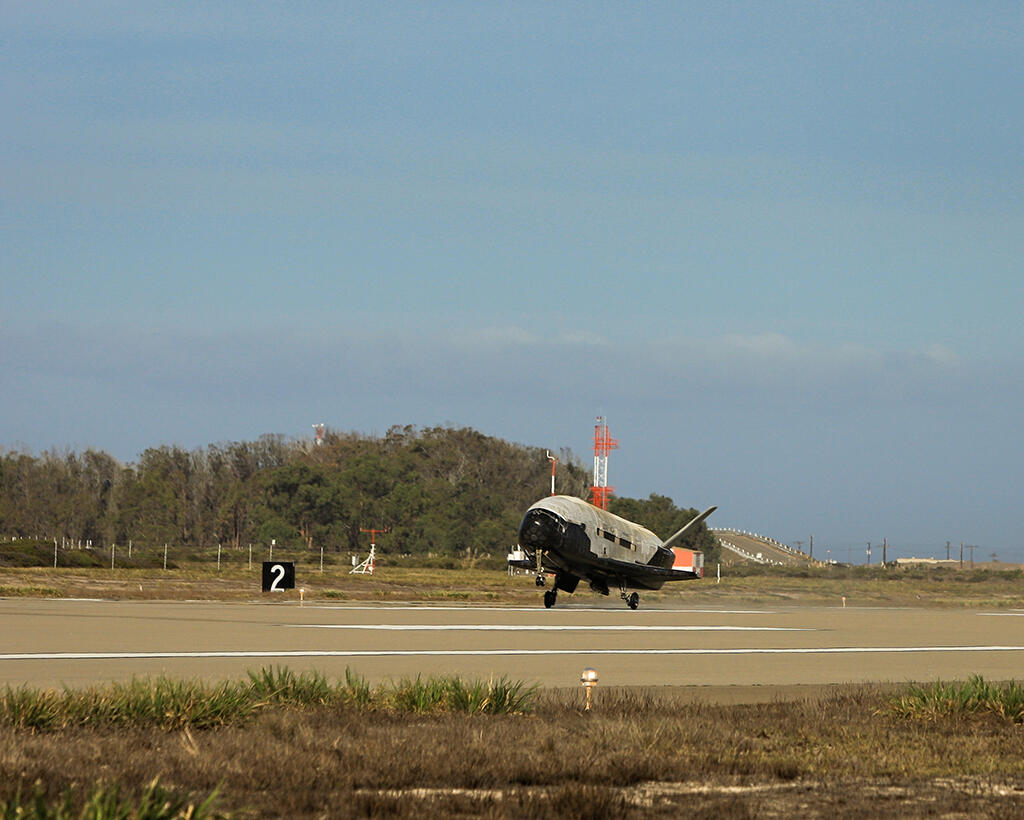
Completing its third classified research mission for the U.S. Air Force, Orbital Test Vehicle 3, Boeing’s X-37B unmanned reusable spaceplane, landed at Vandenberg AFB in California after 674 days in space.
Credit: U.S. Air Force
Antares Launch Failure
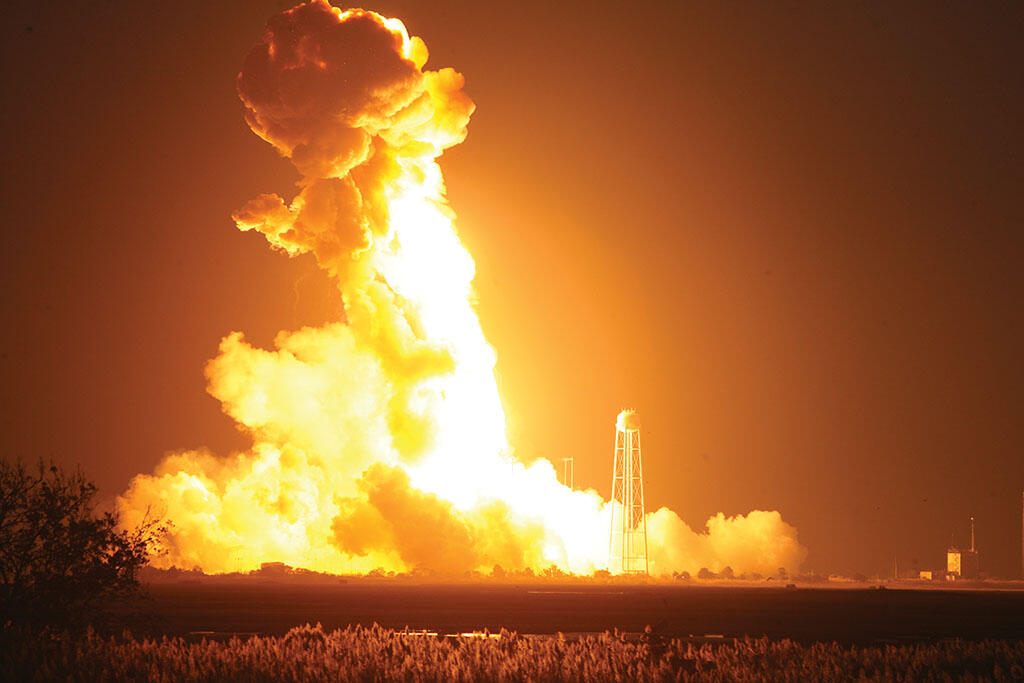
Failure of a refurbished Russian rocket engine caused Orbital Sciences Corp.’s Antares booster to explode while lifting off on Oct. 28 on a cargo flight to the ISS. Antares is to be reengined with new Russian RD-181s.
Credit: Chris Simundson/AW&ST
SpaceShipTwo Crash
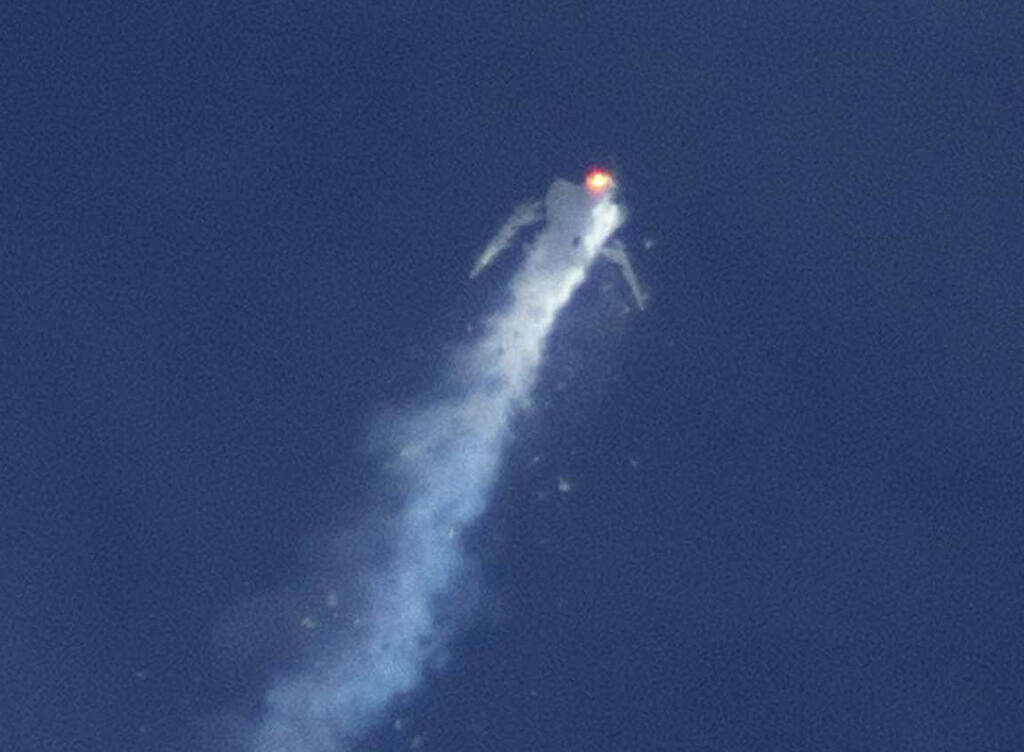
Under development for Virgin Galactic, Scaled Composites’ SpaceShipTwo broke up and crashed Oct. 31, killing one of the two test pilots, when its tails unexpectedly deployed to the reentry “feather” position seconds after rocket ignition following release from the WhiteKnightTwo mothership.
Credit: Reuters/Landov File Photo
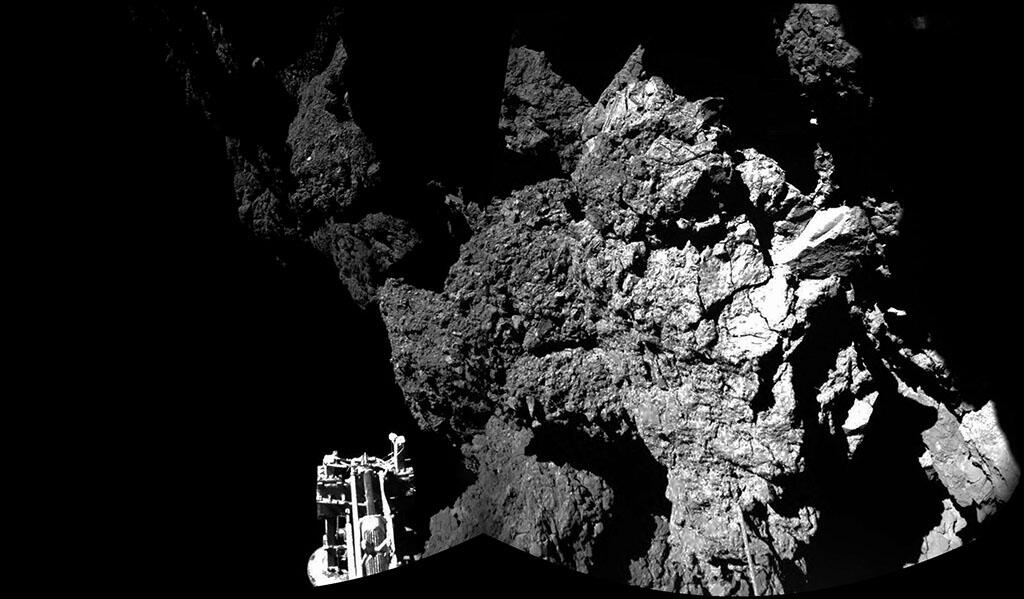
Comet Touchdown
After an unexpectedly bouncy touchdown on Comet 67P/Churyumov-Gerasimenko on Nov. 12, the Philae lander sent data back to the Rosetta orbiter, and the European Space Agency’s 10-year mission to rendezvous with and explore a comet was declared a historic success.
Credit: ESA
Credit: ESA
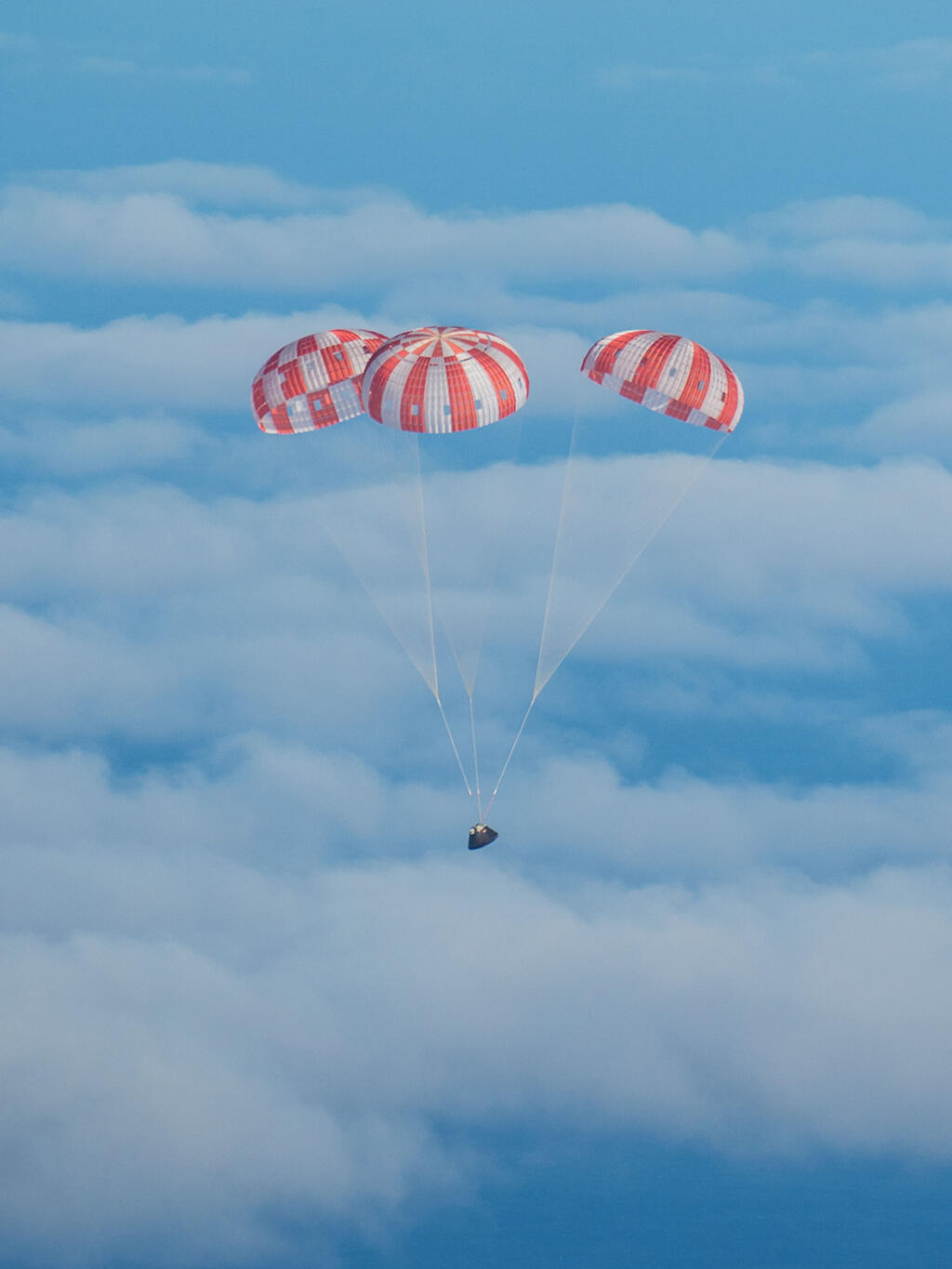
NASA’s Capsule Flies
NASA’s Lockheed Martin-built Orion crew capsule made a brief, two-orbit, unmanned first flight on Dec. 5, launched on an Atlas V and splashing down Apollo-style in the Pacific after 4 hr., 24 min.
Credit: NASA
Credit: NASA
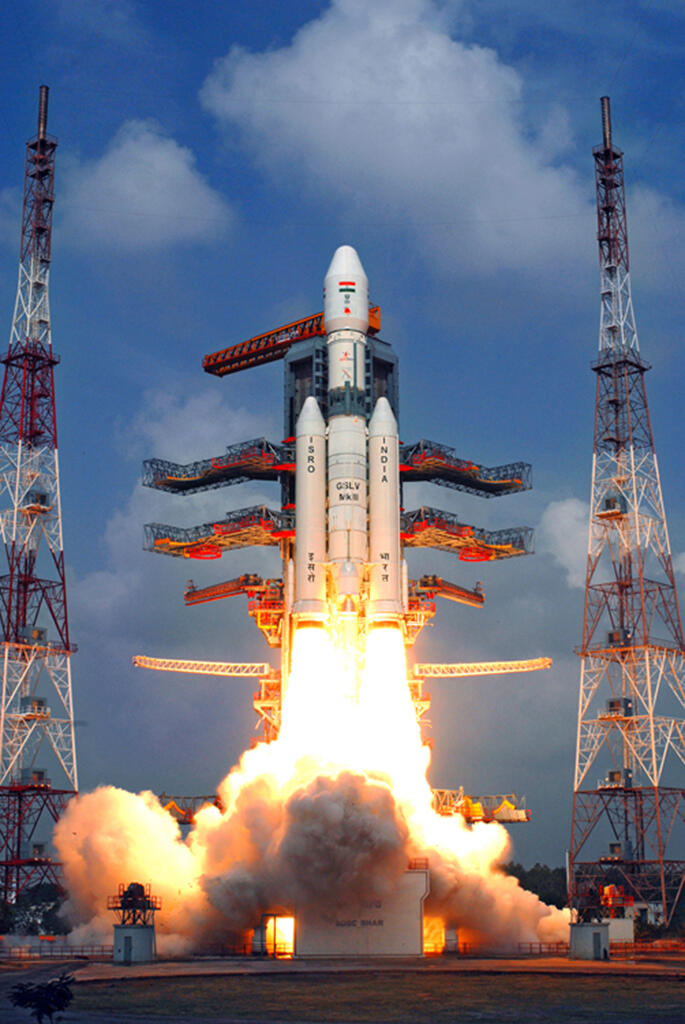
India Flies Big Booster
India flew its next-generation GLSV Mk. III launch vehicle for the first time on Dec. 18 on a suborbital test flight with a non-functional cryogenic upper stage and a crew-capsule atmospheric reentry experiment.
Credit: Indian Space Research Organization
From the lows of the SpaceShipTwo fatal crash and Antares lift-off explosion to the high of Europe’s Rosetta comet-rendezvous and landing mission, 2014 was an eventful year for the space industry.
Listen to our recent Check 6 podcast, The Future of Aerospace.