
Latest Commercial Aviation Content by Aviation Week & Space Technology
Dec 31, 2012
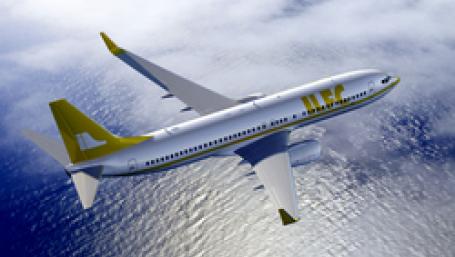
Asian investors continue to take big stakes in the aircraft leasing market. A consortium of three Chinese investors plans to close on a deal to acquire the International Lease Finance Corp. That follows earlier sales of Jackson Square Aviation and the Royal Bank of Scotland's aircraft leasing business to Japanese buyers and Singapore Aircraft Leasing Enterprise's acquisition by the Bank of China.

Dec 31, 2012
They have different approaches, but the same aim: to reduce significantly the fuel burned when commercial aircraft taxi. Whether it is a semi-autonomous tow-tug or electric taxiing via powered nose or main wheels, systems are being developed to reduce fuel consumption and emissions during ground operations. WheelTug and Parker Aerospace hope to certificate a powered-nosewheel taxiing system for the Airbus A320 and Boeing 737 in 2013, promising an 80% reduction in fuel burn over using engine power.

Dec 31, 2012
Responding to the dramatic inroads made by carbon-fiber compositesinto aircraft structures, metals suppliers say their latest lightweight aluminum-lithium alloys can fully replace conventional aluminum and rival the benefits of composites in clean-sheet designs. As direct replacements for traditional aluminum, the new alloys' lower density provides a 3-6% weight reduction, but in new designs that can take advantage of the material's greater stiffness and corrosion resistance, the savingcan reach 25%.
Dec 31, 2012
Nothing reveals the political nature of this year's debate over across-the-board budget cuts as much as the dramatic change of discourse in the weeks leading to the deadline for preventing them. After a year of hearings, press conferences and road shows clamoring for a stop to sequestration, lawmakers and the Obama administration are now met with the deadline. Late last week, they appeared to have rationalized missing it.
Dec 31, 2012
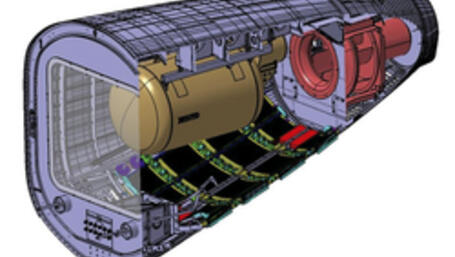
In the drive to reduce aircraft fuel consumption and emissions, the traditional jet-fuel burning auxiliary power unit (APU) is being targeted for replacement by a clean-operating fuel cell, which only emits water vapor. In 2012, Boeing flew a regenerative fuel cell in its 737 EcoDemonstrator. Developed by Japan's IHI Aerospace, the fuel cell generated electricity and was “recharged” by the engines, surplus power being used to split water into oxygen and hydrogen, with the hydrogen then used in the fuel cell.

Dec 31, 2012
Widebody operators face a new supply and demand paradigm.
Dec 31, 2012
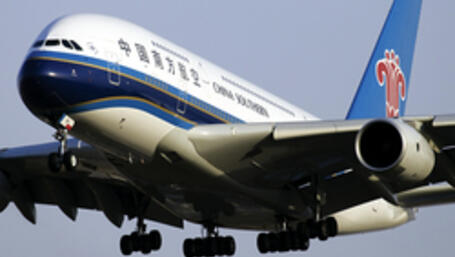
Asia-Pacific airlines are focused on tapping into the strong demand growth projected for their region. But the vast potential of these markets means competition is fierce, and while strategies vary, the common theme is that bold moves are considered necessary for airlines to prosper. China is still viewed as the major prize, although opportunities abound elsewhere in Asia. Even the more mature Pacific-Rim airline markets such as Japan and Australia offer growth prospects.
Dec 31, 2012
Many have wondered whether Air Berlin could survive the slow winter season without another capital injection and/or loan from its biggest shareholder, Etihad Airways. After all, the airline's reserves had been shrinking and another short-term restructuring program, Turbine 2013, was announced.