
Latest Commercial Aviation Content by Aviation Week & Space Technology
Jan 16, 2012
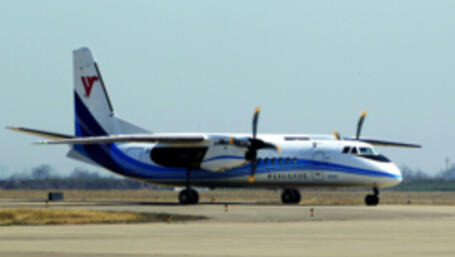
In early 2008, Avic I, as it was called then, announced it was setting up an airline that would buy its regional airliners, a move that had many industry watchers perplexed. To any trenchant doubter of China's future in civil aeronautics, it must have seemed that the product—the 50-60-seat MA60 turboprop—was so uncompetitive that Avic I could only sell it to itself.
Jan 16, 2012
Boeing's decision to close its Wichita defense plant is a story of too much factory capacity and not enough work. The 2013 closure raises concerns about the future of the company's more than 2,100 employees as jobs shift to facilities in other states.
Jan 16, 2012
Weak markets, additional taxes and poor planning during good times are likely to force a culling on carriers.

Jan 16, 2012
The three largest airframe makers met or nearly met NASA's stringent noise, emissions and fuel burn targets.

Jan 16, 2012
A digital, text-based communication will replace most of the 1.2 million voice communications between pilots and controllers under NextGen.
Jan 09, 2012
737 MAX and 777 demonstrate Boeing's strength in the single- and twin-aisle market.

Jan 09, 2012
The past year has seen a lot of turbulence in the stock market, but there have been a few bright spots for investors in aerospace and defense companies. Shares in suppliers of aerospace components fared particularly well in 2011 as Airbus and Boeing ramped up output, and soaring order numbers added to the airframers' already bulging backlogs. Notable performers among suppliers include Hexcel (up 34%), TransDigm Group (33%), Triumph Group (31%), Sifco Industries (23%), Rolls-Royce (20%), Precision Castparts (18%), Safran (12%) and Moog (10%).

Jan 09, 2012
Eliminating duplicated maintenance required by different regulatory agencies could take billions of dollars out of maintenance and engineering work for leased aircraft when they transfer across borders. That's not a typo—it's billions. Given that leased aircraft comprise about 40% of the world's total commercial fleet, and that figure continues to climb, these costs if not corrected will grow with the leased fleet.