Access our growing collection of digital resources from thought leaders around the industry. Browse the selection and download what you need, when you need it.
The Global 6500 aircraft delivers uncompromised performance engineered to get you where you need to be in absolute comfort, no matter the weather conditions. To learn more, click here.
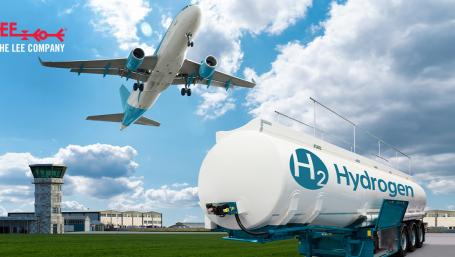
As the industry moves toward emission-free aviation, MTU Aero Engines welcomes the ZEROe concepts from Airbus. Hydrogen is a highly attractive future option for engine producers as well.
The benefits of cost savings, inventory reduction, increased cash flow and office efficiencies have never been more important. Learn how one company is poised to deliver via innovative supply chain services for Japanese aerospace as demand grows.
Companies across the aviation sector are working towards ambitious carbon emission reduction targets.1 The sector is vital for international travel and trade but, to ensure it has a future in line with international climate goals, it must decarbonise. And today, there is currently no technological…
Introducing a new aircraft comes with considerable challenges. It can certainly seem like a jigsaw puzzle getting piloted, remotely piloted, or unpiloted aircraft certified for government, cargo, urban air mobility or passenger service.
Aviation Week Network hosted PwC leaders to discuss three ways to pivot your organization and digital transformation toward a post-pandemic future. You can view the full discussion here.
The aviation world is changing from top to bottom; those who don’t keep up are aced out. If you don’t have the right equipment, permits, and know how, you may not be allowed to complete your Point A to Point B objectives.
Aviation and cybersecurity go hand in hand. Computer systems are the driving force behind the aviation industry, and ensuring the right security measures are in place is paramount to operational wellbeing.
FANS, the Future Air Navigation System, is a vital building block for an advanced satellite-based air traffic control system unconstrained by outmoded radar technology.
Aerospace and defense companies are being confronted by the twin challenges of unprecedented competitive pressure as well as understandably demanding customers who are seeking greater accountability on program performance.
The FDM process offers several material options, from ASA to Nylon 12, each has attributes that make it suitable for a variety of lightweight structural applications.
Turn your Manufacturing 4.0 ideas into action. Want insight into ways a digital factory floor and robotics can transform your manufacturing? Hear from a supplier, a robotics expert and additive manufacturing strategist in this new video.
Certifying additively manufactured parts for aircraft installation just got a lot easier. The Stratasys Aircraft Interiors Certification Solution gives aerospace companies a faster, more streamlined process. Learn more about producing certified aircraft interiors with 3D printing.
A&D organizations have been adopting several new technologies over the last few years, however, successful integration and implementation vary greatly depending on company size and the preserved need for this new technology.
Additive manufacturing gives the aerospace industry better solutions for making UAVs, commercial aircraft and space vehicles stronger, lighter and more economical, with increased production efficiency.
Joby Aviation is using Simcenter STAR-CCM+™ software to perform the simulation for the design and development of its cutting-edge electric propulsion concepts.
Explore the shift to model-based engineering, the tools and technology available to support engineers, and the benefits to be seen in this white paper.
Making jigs and fixtures using additive manufacturing provides dramatic cost savings compared to conventional machining. But the savings involve more than how the tools are made.